
Table of Contents
ToggleProgrammatic SEO, Explained for Beginners in 2026
Programmatic SEO is one of the fastest-growing strategies in modern search engine optimization. If you’ve ever landed on a highly specific page like “USD to GBP exchange rate” or “best cities for remote workers in Europe”, you’ve already seen programmatic SEO in action.
In this beginner-friendly guide, we’ll explain what programmatic SEO is, how it works, real-world examples from well-known brands, and how businesses can use it without crossing into spam.
What Is Programmatic SEO?
Programmatic SEO is a strategy that allows businesses to create large numbers of SEO-optimized pages automatically using templates and structured data.
Instead of writing every page manually, programmatic SEO works by:
- Designing a scalable page template
- Connecting it to a dataset (locations, tools, products, currencies, etc.)
- Generating hundreds or thousands of unique pages, each targeting a specific search query
In simple terms:
Programmatic SEO helps you rank for thousands of long-tail keywords efficiently—without sacrificing quality.
This approach is widely used by:
- SaaS companies
- Marketplaces
- Fintech platforms
- Travel and directory websites
- Service-based businesses targeting multiple locations
At AdHiss Marketing, programmatic SEO is used to help businesses scale organic traffic globally through structured, Google-compliant automation. If you want to study then click here.
Real-World Examples of Programmatic SEO
Below are trusted global brands using programmatic SEO effectively. The estimated data is based on industry-standard SEO tools and public analysis.
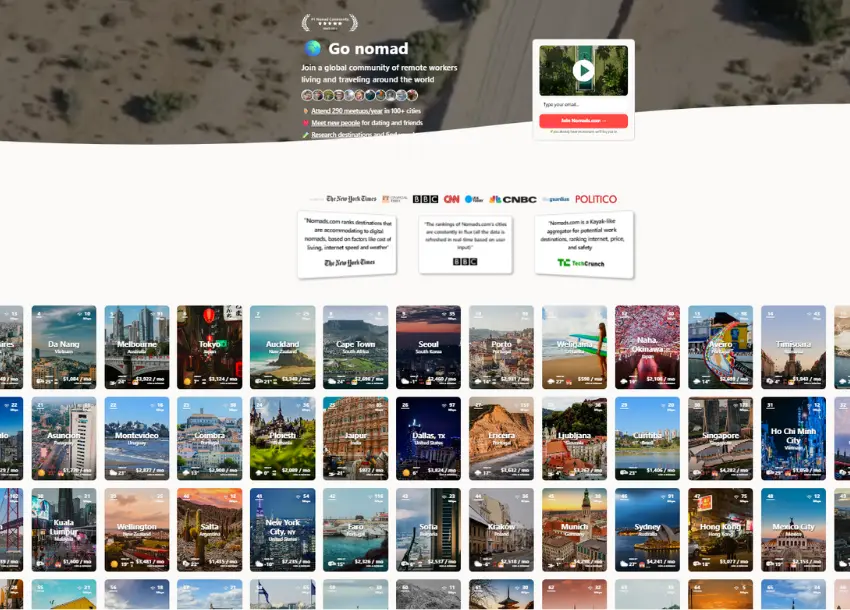
a. Nomadlist’s Location Pages
Nomadlist generates pages for cities and countries worldwide, targeting searches related to:
- Cost of living
- Internet speed
- Safety
- Weather
- Remote work lifestyle
Example URL structure:/places/london-united-kingdom
URL: https://nomads.com/
Estimated pages:
Approximately 1,000–1,500 location-based pages
Estimated monthly organic traffic:
Around 2–3 million visits
Why it works:
Each page delivers real, data-driven insights aligned with strong search intent.
Zapier’s App Integration Directory
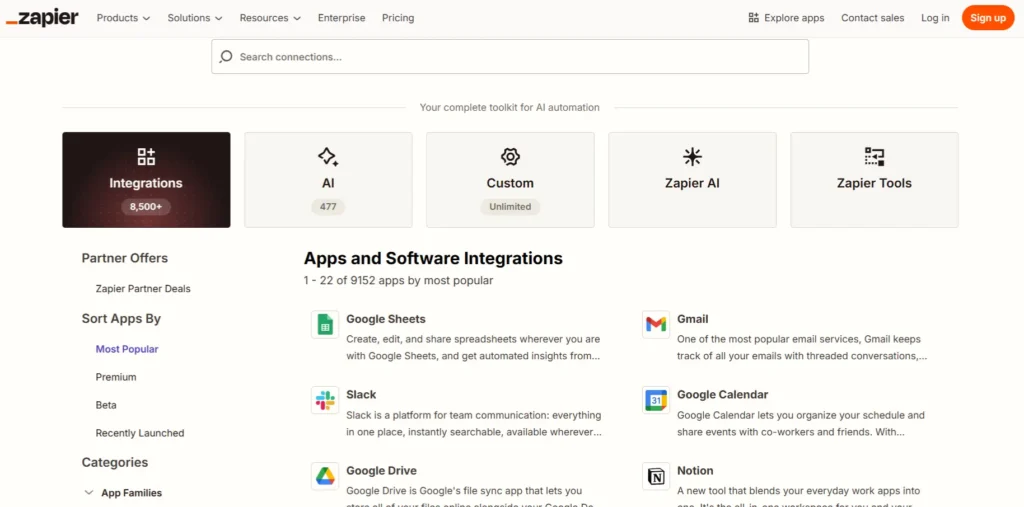
Zapier ranks for thousands of automation-related searches such as:
- “Slack integrations”
- “CRM integrations for Gmail”
- “Best automation tools for small businesses”
Example URL structure:/apps/slack/integrations
Estimated pages:
Roughly 20,000–30,000 integration pages
Estimated monthly organic traffic:
Around 4–6 million visits
Why it works:
Pages are deeply interlinked and solve high-intent SaaS queries.
Webflow’s Website Template Pages
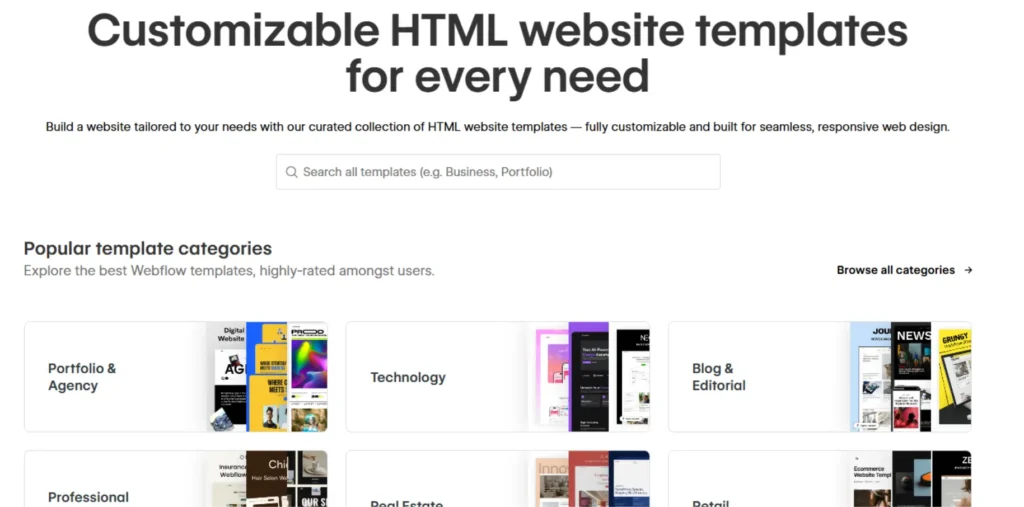
Webflow uses programmatic SEO to rank for:
- Website template categories
- Industry-specific designs
- Use-case-based templates
Example URL structure:/templates/category/business
URL: https://webflow.com/templates
Estimated pages:
1,000+ templates and category pages
Estimated monthly organic traffic:
Approximately 1–2 million visits
Why it works:
Each page combines SEO-friendly text, visuals, and clear user value.
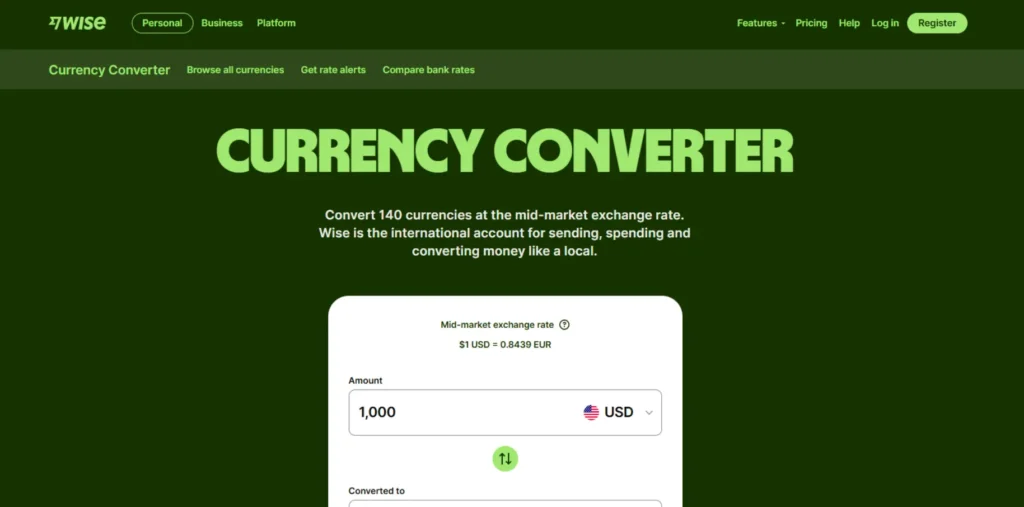
Wise’s Currency Conversion Pages
Wise dominates currency-related searches globally with pages such as:
- USD to GBP
- EUR to USD
- USD to PKR
Example URL structure:/currency-converter/usd-to-gbp-rate
URL: https://wise.com/us/currency-converter/
Estimated pages:
5,000–10,000 currency conversion pages
Estimated monthly organic traffic:
10–15 million visits
Why it works:
Pages provide accurate, real-time data—making them highly useful and trustworthy.
Programmatic SEO vs Spam SEO
Programmatic SEO is not spam—but it can become spam if implemented incorrectly.
Google rewards helpful, scalable content, not automation alone.
When programmatic SEO becomes spam:
- Pages contain thin or duplicated content
- No real value is provided to users
- AI-generated text is published without review
- Search intent is ignored
When programmatic SEO works:
- Each page serves a clear purpose
- Content is unique and helpful
- Structured data and internal linking are used correctly
- Pages are designed for users first, not just search engines
How to Get Started With Programmatic SEO
Here’s a practical starting framework for businesses:
Step 1: Identify scalable keyword patterns
Examples:
- “Service + city”
- “Tool + integration”
- “Best [product] for [industry]”
- “X vs Y comparison”
Step 2: Build a strong page template
Your template should include:
- Optimized title and H1
- Dynamic content sections
- FAQs
- Schema markup
- Clear internal links
Step 3: Prepare structured data
Use:
- Spreadsheets or databases
- APIs
- CMS collections
- Clean, consistent datasets
Step 4: Generate pages carefully
Popular platforms include:
- WordPress (custom post types)
- Headless CMS
- No-code tools
- AI-assisted content (with human oversight)
Step 5: Strengthen internal linking
Every page should link to:
- Category or hub pages
- Related programmatic pages
- Core service pages
Internal link example:
https://adhiss.com/programmatic-seo-services/
Final Thoughts
Programmatic SEO is not a shortcut—it’s a long-term SEO growth strategy.
When executed correctly, it can:
- Capture high-intent long-tail keywords
- Drive consistent organic traffic
- Scale content efficiently
- Support global SEO growth
The key is combining automation with strategy and quality control.
If you’re looking to implement programmatic SEO for US, UK, or global markets, AdHiss Marketing helps businesses plan, build, and scale programmatic SEO systems that align with Google’s best practices.